On a Monday morning a few years ago, a trial lawyer walked into my clinic before a week-long arbitration. He had slept badly, carried two phones, and admitted that coffee no longer moved the needle. He did not want a miracle, just a clear head and steady concentration. We reviewed his labs, screened for contraindications, and ran a tailored intravenous vitamin infusion that I use for cognitive workloads. Ninety minutes later he left hydrated, calmer, and, as he put it, “switched back on.” That week he won his case. Anecdotes like this are not proof, but they do reflect a pattern I’ve seen across hundreds of infusions in professionals, athletes, and shift workers. When IV therapy is chosen wisely, with careful dosing and honest expectations, it can sharpen focus, stabilize mental energy, and reduce the drag from dehydration and nutrient gaps.
IV brain therapy sits at the intersection of intravenous therapy, neurochemistry, and behavioral hygiene. The idea is simple: deliver fluids and selected micronutrients into the bloodstream, bypassing absorption bottlenecks in the gut. The practice is more nuanced. Not every brain fog has the same cause, and not every cocktail helps every client. The art lies in diagnosis, ingredient choice, and timing.
What IV brain therapy actually does
Most people associate intravenous therapy with hospitals and emergencies. Outpatient IV infusion therapy, by contrast, uses smaller volumes and carefully combined nutrients to address wellness goals such as cognitive clarity, recovery from illness, or exercise performance. The ingredients that tend to support mental performance fall into a few categories.
Fluids matter more than most realize. Mild dehydration, even in the 1 to 2 percent body weight range, can lower attention and working memory, and it raises perceived effort. I see it all the time in people who sip coffee all day and forget water. An IV hydration therapy bag, often 500 to 1,000 milliliters of balanced electrolyte solution, can correct this quickly. Oral hydration works too, but gastrointestinal limits and nausea can slow it down. Rapid IV hydration has a role when you need a predictable, immediate effect or when gut absorption is impaired.
B vitamins act as coenzymes in energy metabolism and neurotransmitter synthesis. IV B complex therapy, which usually includes B1, B2, B3, B5, and B6, supports cellular energy and can help those with poor intake or malabsorption. Vitamin B12 is the power player here. Intravenous vitamin B12 infusion bypasses the stomach and intrinsic factor barrier, which helps patients with pernicious anemia or those on acid-suppressing drugs. In otherwise healthy people, the boost from B12 depends on baseline status. When someone is borderline low, a B12-inclusive iv vitamin drip can make a very noticeable difference within hours to days.
Magnesium serves as a gatekeeper for NMDA receptors and reduces neuronal excitability. A magnesium IV infusion can take the edge off tension headaches and stress-related insomnia. Several migraine protocols incorporate iv magnesium therapy because it relaxes vascular smooth muscle and modulates neurotransmission. For brain fog rooted in chronic stress, I often see the biggest subjective shift when we include magnesium in the mix.
Antioxidants support redox balance in high-demand brains. Glutathione, delivered as an iv antioxidant infusion near the end of a session, helps recycle other antioxidants and supports detoxification pathways in the liver. Its direct cognitive effects are subtle but real in people exposed to high oxidative stress such as frequent flyers or those recovering from viral illness. Vitamin C at modest doses can be part of an iv vitamin infusion for immune resilience and tissue repair, though it is not a stimulant.
Amino acids can supply precursors for neurotransmitters. Tyrosine feeds catecholamine synthesis, which may help with mental stamina under stress. Tryptophan supports serotonin pathways but carries risks and must be used judiciously, especially if someone is on SSRIs or SNRIs. When I use iv amino acid therapy, it is always with a clear rationale and after medication review.
Trace minerals including zinc can matter for cognitive function and immunity. A zinc IV infusion is not a quick-focus trick, but in deficient individuals it can support alertness and immune defense. Copper balance must be considered if zinc is given repeatedly.
These components are blended into iv nutrient therapy or iv micronutrient therapy with the brain in mind. Some clinics market this as iv brain therapy, brain boost iv therapy, iv focus therapy, or iv mental clarity therapy. Names aside, the best programs rest on individualized assessment, not a one-size cocktail.
Where IV therapy helps most with cognition
Not every problem is a nail, and IV is not a universal hammer. From direct experience, the strongest, most consistent benefits show up in four settings.
Acute dehydration and hangovers. The hangover iv drip has a reputation for fast relief, and much of that comes from rehydration and electrolyte correction. Headache relief is often faster than with oral fluids alone. If a client has nausea, the intravenous route lets us deliver antiemetics and fluids without relying on the stomach to cooperate. This is iv rehydration therapy at its most straightforward.
Post-viral fatigue and brain fog. After influenza, COVID, or a heavy cold, many people describe a two to four week haze. Hydration iv therapy with a moderate iv vitamin boost can lift energy and reduce the sense of mental friction. In my logs, the blend that includes B complex, B12, magnesium, and glutathione seems to help the most, especially when combined with paced return to activity.
High cognitive load with poor sleep. Lawyers before trial, founders before a raise, residents on call. When sleep is constrained, an iv energy infusion will not replace it, but it often stabilizes attention and mood for a day or two. The response is more reliable if the person is underhydrated or borderline low in B12 or magnesium to start. I make a point to pair the infusion with sleep strategy coaching to avoid overreliance.
Chronic migraine and tension-type headaches. Migraine iv therapy typically includes fluids, magnesium, and sometimes riboflavin or antiemetics. It remains one of the clearest use cases outside the hospital. Not every migraine responds, but when it does, the relief can be profound and fast. For recurring headaches, a maintenance schedule should be physician-led and layered with triggers management, not driven by symptom flares alone.
What IV brain therapy cannot do
The limits are as important as the benefits. IV therapy does not cure ADHD, prevent dementia, or substitute for basic health hygiene. It cannot overcome chronic sleep deprivation for long. It rarely fixes anxiety at its root, though magnesium and hydration can smooth the edges. If mood symptoms stem from thyroid dysfunction, anemia, sleep apnea, or medication side effects, no iv wellness infusion will solve the core problem.
I also push back when clinics frame an iv vitamin drip as a detox iv therapy or iv cleanse therapy for the brain. The liver and kidneys already do the heavy detox lifting. IV nutrients can support these organs, but the word cleanse oversells the effect. Similarly, iv anti aging therapy or beauty-focused iv glow therapy may improve skin hydration for a day or two, and collagen iv therapy remains largely cosmetic marketing unless tied to broader nutrition.
Ingredients I reach for and why
The typical iv nutrient infusion for cognitive performance includes a base of electrolytes in a balanced crystalloid solution. The fluid choice matters. Normal saline can be fine, but too much chloride can leave people feeling heavy. I often use a buffered solution with lactate or acetate, especially in athletic clients.
The B complex dose stays within physiologic ranges. Pushing massive doses does not produce linear benefits and increases risk of side effects like flushing or nausea. B12 can be methylcobalamin or hydroxocobalamin. In those with MTHFR variants or sensitivity to stimulants, hydroxocobalamin tends to feel smoother.
Magnesium is almost always magnesium sulfate, dosed slowly to reduce warmth or lightheadedness. If someone has low blood pressure at baseline, I give half the usual dose and monitor closely.
Glutathione is given at the end of the iv therapy session over 5 to 10 minutes. I rarely start high, as some clients feel transient fatigue afterward, especially if they are underfed or have low blood sugar.
Amino acids are considered case by case. Tyrosine is used sparingly and ideally after dietary counseling. I avoid tryptophan in clients on antidepressants.
Zinc is blended only if a dietary history or lab data suggests deficiency, and I check copper if zinc is given more than a few times per year.
Vitamin C sits between cognitive and immune benefits. In immune boost iv therapy, typical wellness doses range from 2 to 10 grams, titrated to comfort. For brain goals, I skew lower unless we are also targeting recovery from illness.
This is the core of iv nutritional therapy with a cognitive aim. Variants exist. Some clinics add carnitine for mitochondrial support or taurine for calm alertness. These have plausible mechanisms but mixed evidence. I only include them when the client’s history suggests a fit.
Safety first: screening, dosing, and monitoring
Any intravenous therapy carries risk, even when done in a spa-like environment. A responsible iv therapy provider will take a careful medical history, review medications and supplements, and check blood pressure and pulse. For older clients or those with cardiac or renal disease, I favor smaller fluid volumes and avoid aggressive infusion rates. A simple pre-infusion checklist can prevent the most common problems.
- Recent illness, fever, or infection signs History of kidney disease, heart failure, or uncontrolled hypertension Medications that interact with magnesium or amino acids Pregnancy or breastfeeding status Known allergies to ingredients or preservatives
During the infusion, I watch for warmth, lightheadedness, drop in blood pressure, vein irritation, or chest tightness. Most reactions are mild and resolve with slowing the drip, adjusting posture, or offering a light snack. In my clinic, all clinicians are trained in IV insertion, aseptic technique, and emergency response. An iv therapy clinic should feel calm, not cavalier.
For clients with migraines, we confirm no red flags such as new neurologic deficits. For those with chronic fatigue, I screen for iron deficiency, thyroid seebeyondmedicine.com iv therapy near me problems, and sleep disorders. If you walk into an iv therapy center and they start the iv without asking questions, consider that a warning sign.
Timing, frequency, and expectations
How long do benefits last? For hydration-driven fog, the effect is often immediate and can last 24 to 72 hours as the body corrects a deficit. For nutrient-driven benefits, many people feel a lift the day of the infusion or the next morning, with a plateau over one to two weeks. As baseline diet and sleep improve, you may need fewer sessions.
For intense periods like board exams, I schedule one iv wellness infusion a few days before the start and, if needed, one midweek tune-up. For migraine maintenance, the interval ranges from monthly to quarterly, guided by symptom logs. For post-viral fatigue, a series of two to four infusions over a month can help break the cycle, paired with graded activity and nutrition.
Expect incremental gains, not fireworks. When someone reports nothing after a properly designed iv vitamin therapy session, we reassess causes rather than pushing more product. The answer may be iron, thyroid, sleep hygiene, or mental health support.
How IV compares with oral supplements and lifestyle
You can accomplish much with food, water, and targeted supplementation. Oral B complex and magnesium glycinate work well when taken consistently. Hydration targets of 30 to 35 milliliters per kilogram per day cover most adults, with more during heat or exercise. Caffeine is a double-edged tool. Used earlier in the day and capped around 3 milligrams per kilogram, it sharpens focus. Overused late, it steals sleep and next-day clarity.
So why choose iv nutrient therapy? Speed and reliability. If you need predictable correction today or cannot tolerate an oral route, iv therapy makes sense. Athletes use iv recovery infusion after gastrointestinal bugs or travel to reset hydration and electrolyte balance. Executives lean on iv energy therapy during crunch weeks while fixing sleep and workload upstream. The key is integration, not substitution. IV therapy belongs inside a plan that includes timing of light exposure, movement, nutrition, and stress skills.
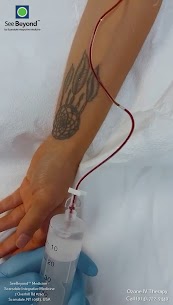
The business side: cost, packages, and value
IV therapy cost varies widely. In most urban clinics, an iv health therapy session ranges from 150 to 350 dollars for a basic iv hydration drip and 250 to 500 dollars for a customized iv vitamin infusion that includes B12, magnesium, and glutathione. Mobile services charge a premium for convenience. Packages can trim the per-visit price but sometimes push clients into more sessions than they need. I prefer punch cards with no expiration or simple per-session billing. Insurance rarely covers iv wellness therapy unless coded for a medical diagnosis and administered in a medical setting under physician supervision.
Value depends on the outcome you care about. If a 300-dollar iv brain therapy session gives you two days of clear focus that lands a deal or finishes a grant, the numbers pencil out. If you are using it weekly to compensate for poor sleep and skipped meals, it is an expensive bandage.
A note on evidence and ethics
Randomized trials on outpatient iv cocktail therapy for cognition are limited. We have stronger evidence for individual components such as magnesium in migraine, hydration effects on cognition, and B12 in deficiency. We also have decades of safe use of intravenous hydration therapy in clinical practice. Much of the rest is pragmatic data from clinics like mine. That does not mean carte blanche. I avoid extravagant claims and set clear, testable goals. If a client reports no benefit over two sessions, we stop or change course.
Ethically, informed consent includes the fact that many benefits are subjective and that lifestyle changes amplify gains. It also includes clarity on risks such as bruising, phlebitis, electrolyte shifts, or allergic reactions. The procedure should be performed by trained clinicians with medical oversight. Anything less erodes trust in the entire field.
Edge cases, trade-offs, and the people who surprise you
Two edge cases commonly challenge expectations. First, the highly fit endurance athlete who drinks water constantly. They arrive lightheaded and foggy despite high fluid intake. Their problem is sodium and other electrolytes diluted by plain water. For them, an iv hydration infusion with balanced electrolytes and modest volume produces a quick return to baseline. Second, the biohacker who takes high-dose oral supplements. They expect fireworks from an iv vitamin drip and sometimes feel little because their baseline levels are already adequate. When we shift focus to sleep, CO2 tolerance training, and light exposure, their cognitive performance improves more than any infusion did.
I also see people who underestimate how much small corrections matter. A startup CTO, habitually low-carb with sporadic meals, came in with headache and fog after long sprints. We ran iv nutrient infusion with magnesium and B complex, then focused on electrolytes and protein timing. Three weeks later he no longer needed IV support. That is success in my book.

Choosing a provider and a formula that fit you
The right iv therapy provider asks about your goals, history, and day-to-day constraints. They discuss iv therapy options without pressure and explain the expected sensations, timing, and aftercare. A good clinic stocks several formulations: iv recovery therapy for post-illness or travel, iv performance therapy for athletes with attention to sodium and magnesium, an iv immune therapy option for early colds, and a calm-alert iv brain therapy for mental work that includes B complex, B12, magnesium, and a conservative antioxidant component. They will tailor the infusion volume so you do not leave bloated or hypotensive.
Aftercare deserves a mention. Plan for a light meal with protein and complex carbohydrates within an hour of your iv wellness drip. Avoid heavy alcohol that evening. Sleep in a cool, dark room and guard a consistent wake time. The infusion sets the stage; your habits do the heavy lifting.
Practical takeaways for sharper focus and steadier energy
If you are considering iv brain therapy, the decision is not all or nothing. Most clients do best with a short series, then maintenance as needed during high-demand windows. Clear metrics help. Track sleep, hydration, caffeine intake, and subjective focus daily for a week before and after an infusion. If you see a meaningful change that sustains your work without side effects, iv therapy has earned its place in your toolkit.
- Use IV therapy when you need fast, reliable hydration and nutrient delivery, or when the gut is not cooperating. Choose formulations grounded in your needs: hydration plus B complex, B12, and magnesium for focus; add glutathione if oxidative stress is high; consider migraine protocols if headaches dominate. Screen for underlying causes such as anemia, thyroid issues, and sleep problems before leaning on infusions for chronic fog.
The aim is not to chase novelty but to reclaim mental clarity with the least intervention necessary. Sometimes that means an iv vitamin drip on a demanding week. Other times it means a glass of water, a protein-rich breakfast, a 20-minute walk in daylight, and an earlier bedtime. The best clinics know when to place the IV and when to point you toward simpler tools.